Look for a true HEPA filter
Smog is mostly PM2.5: particles smaller than 2.5 microns that reach deep into the lungs. A true HEPA filter is tested to capture at least 99.97% of particles at 0.3 microns, the size that is hardest to trap, so it also captures PM2.5, dust, pollen, pet dander and mould spores.
Be careful with labels such as HEPA-type or HEPA-like. They are not held to the same standard.
Match the purifier to the room size
A purifier only helps if it can clean the room's air several times an hour. A small unit in a big room makes little difference. As a starting point, a home purifier suits a bedroom up to about 250 sq ft. Larger rooms, offices and classrooms need a commercial model.
| Model | Best for |
|---|---|
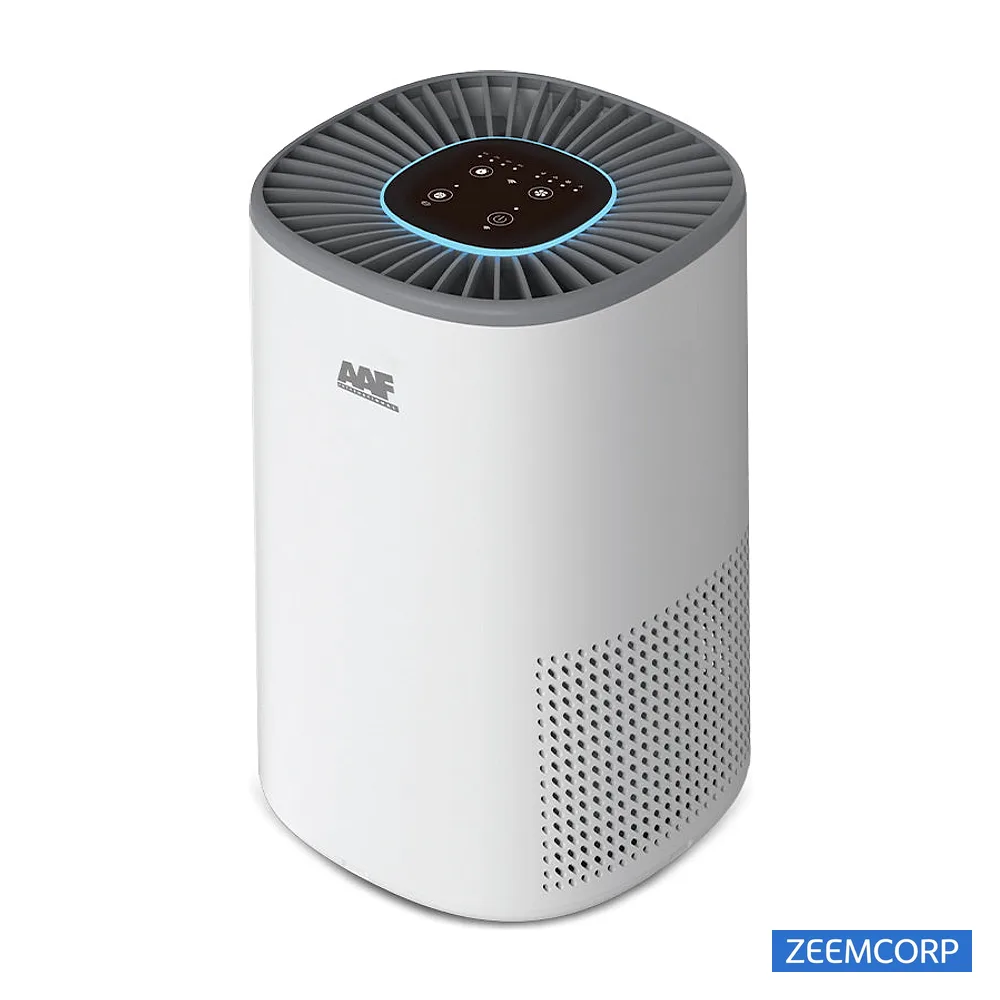
| AstroPure PT150A | Bedrooms and small offices |
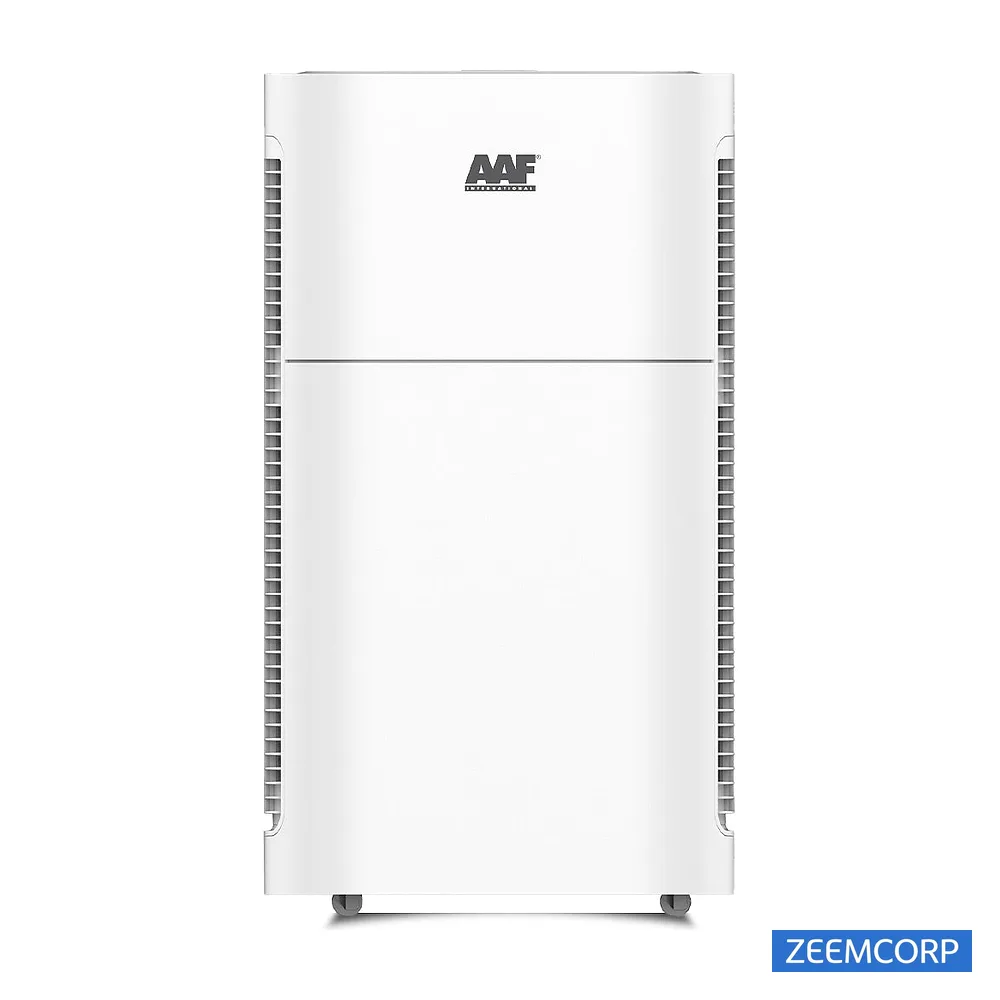
| AstroPure CC400A, 550C, CC500A | Large rooms, offices, clinics and classrooms |
| AstroCube | Clinical and demanding commercial spaces |
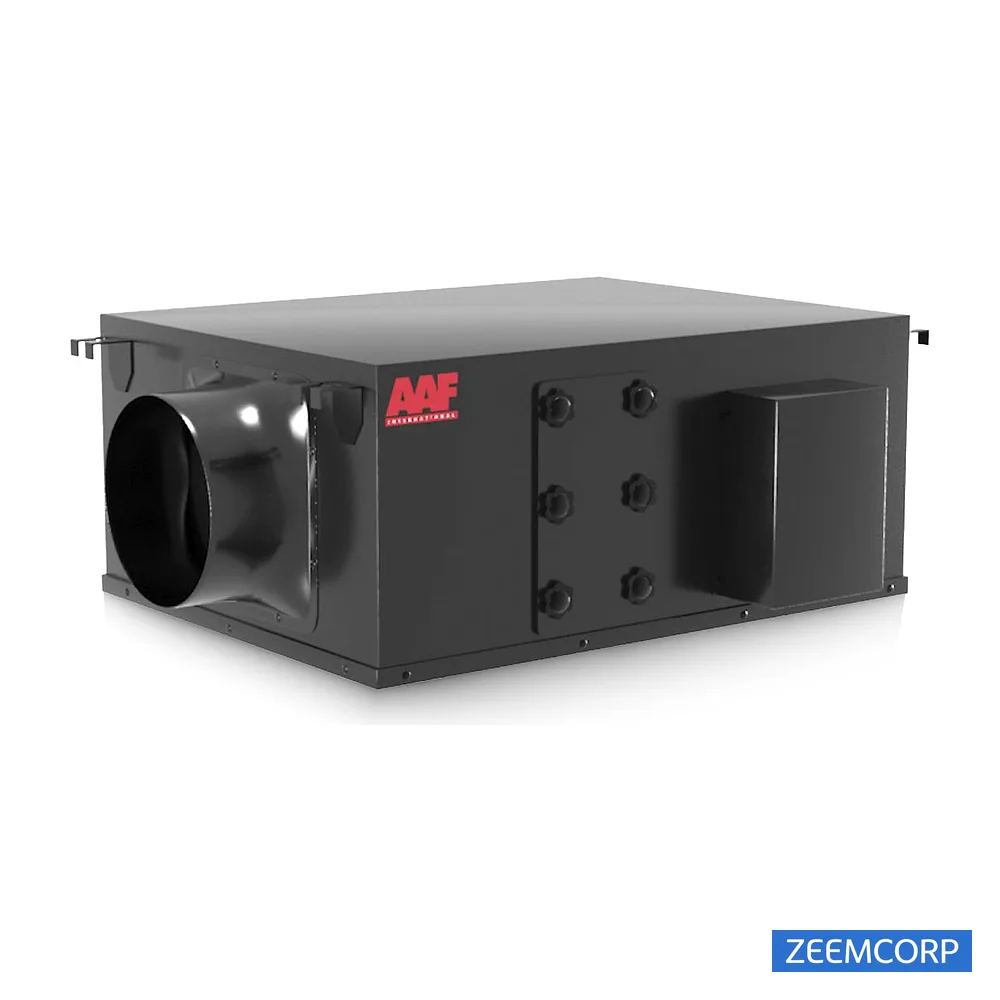
| AstroFresh 240W | Brings in filtered fresh air for closed rooms |
Getting the most from a purifier
- Run it continuously in smog season, not only when the air looks bad.
- Keep doors and windows closed in the room you are cleaning.
- Place it where air can flow freely around it, not tucked behind furniture.
- Check and replace filters on schedule; a clogged filter cleans much less air.
- Put it in the bedroom first; that is where you spend the most hours.
Purifier, fresh air unit or both?
A purifier cleans the air already in the room. In a sealed, air-conditioned room, CO2 also builds up over time, which causes drowsiness and headaches. A fresh air unit brings in filtered outdoor air to fix that. Offices and classrooms often benefit from both.
Frequently asked questions
Do air purifiers really help with smog?
Yes, indoors. A true HEPA purifier sized for the room removes most fine particles from that room's air while doors and windows are kept closed.
Which air purifier is best for allergies?
One with a true HEPA filter, sized for your room. HEPA captures pollen, dust mite debris and pet dander, the most common indoor allergy triggers.
How often should I change a HEPA filter?
It depends on air quality and running hours. In heavy smog with daily use, check it every few months and replace it when it is visibly clogged or the unit indicates it.