How each type works
A non-inverter AC has a fixed-speed compressor. It runs at full power until the room hits the set temperature, switches off, and switches back on when the room warms up. That on/off cycle repeats all day.
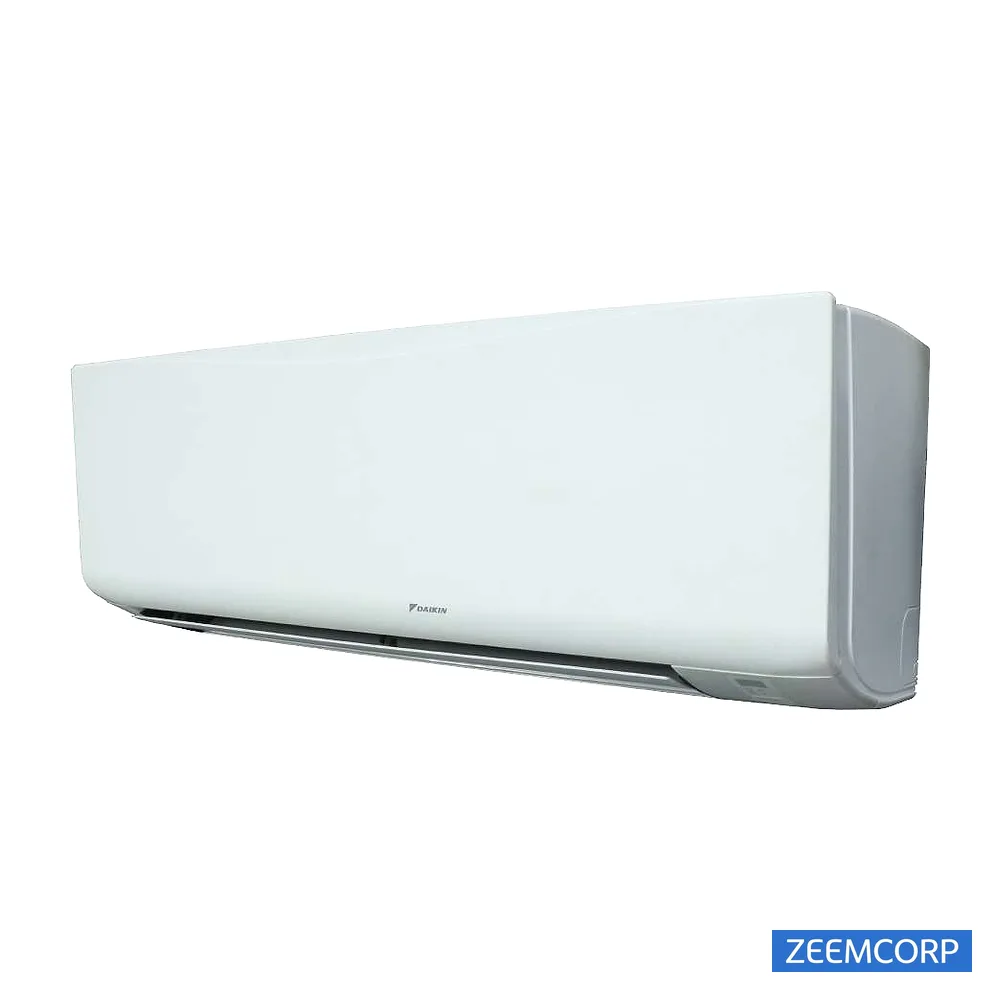
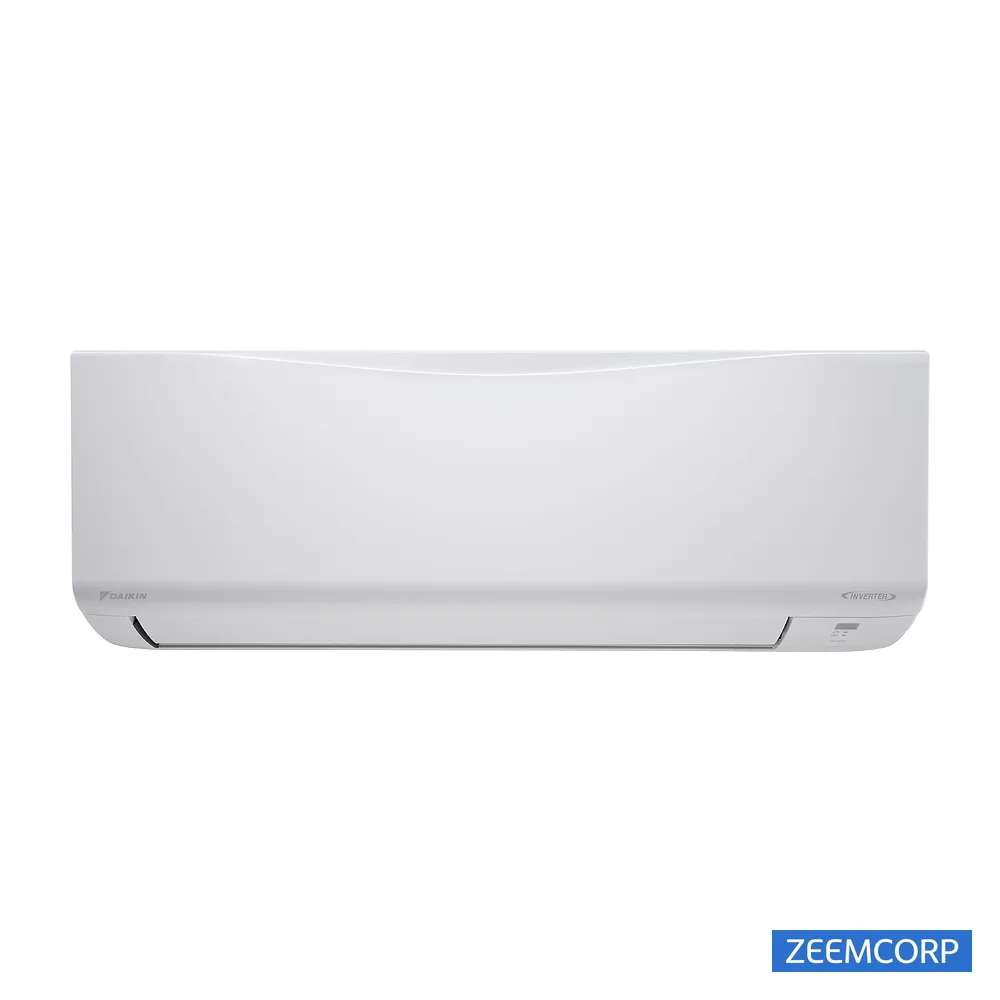
An inverter AC changes its compressor speed. It runs fast to cool the room, then slows down and keeps running gently to hold the temperature. No hard starts, smaller temperature swings and less wasted energy.
Side by side
| Inverter | Non-inverter | |
|---|---|---|
| Upfront price | Higher | Lower |
| Electricity use when running for hours | Lower | Higher |
| Temperature stability | Steady | Swings up and down |
| Noise | Quieter at low speed | Louder at each start |
| Best for | Bedrooms, offices, daily long use | Guest rooms, short daily use |
| Low voltage tolerance | Usually better | Hard starts are sensitive to low voltage |
What the official figures show
In Daikin's official catalog, most FTXC-D inverter sizes carry an A++ seasonal efficiency (SEER) rating, and its Econo mode is rated to cut maximum power draw by about 30% while it is on. The FTV-C non-inverter range is rated with EER figures between 3.09 and 3.38.
These ratings use different test methods, so they are not a direct comparison. The practical rule holds: the more hours an AC runs, the more an inverter saves.
Which should you choose?
- Choose inverter if the AC will run more than a few hours a day: bedrooms at night, home offices, shops and clinics.
- Choose non-inverter if the room is used occasionally, such as a guest room, or if upfront budget matters most.
- In areas with long load-shedding or unstable voltage, ask us about voltage protection whichever type you choose.
Heat & cool or cool only?
Many inverter models are heat pumps, so the same unit warms the room in winter, which is useful in northern Pakistan. Most non-inverter models are cooling only. Each product page states whether a model is heat & cool or cool only.
Frequently asked questions
Is an inverter AC worth the extra cost?
If it runs many hours a day through summer, usually yes, because it uses less electricity once the room is cool. For a room used a few hours a week, a non-inverter is often the better value.
Do inverter ACs work on UPS or solar?
Inverter ACs start gently, which suits solar and backup systems better than the hard start of a fixed-speed compressor. Check your system's capacity with your installer.
Which Daikin AC is best for a bedroom?
An inverter split sized for the room. For a typical 12 x 14 ft bedroom, a 1.5 ton Daikin inverter such as the FTXC50DV1B is a common choice.