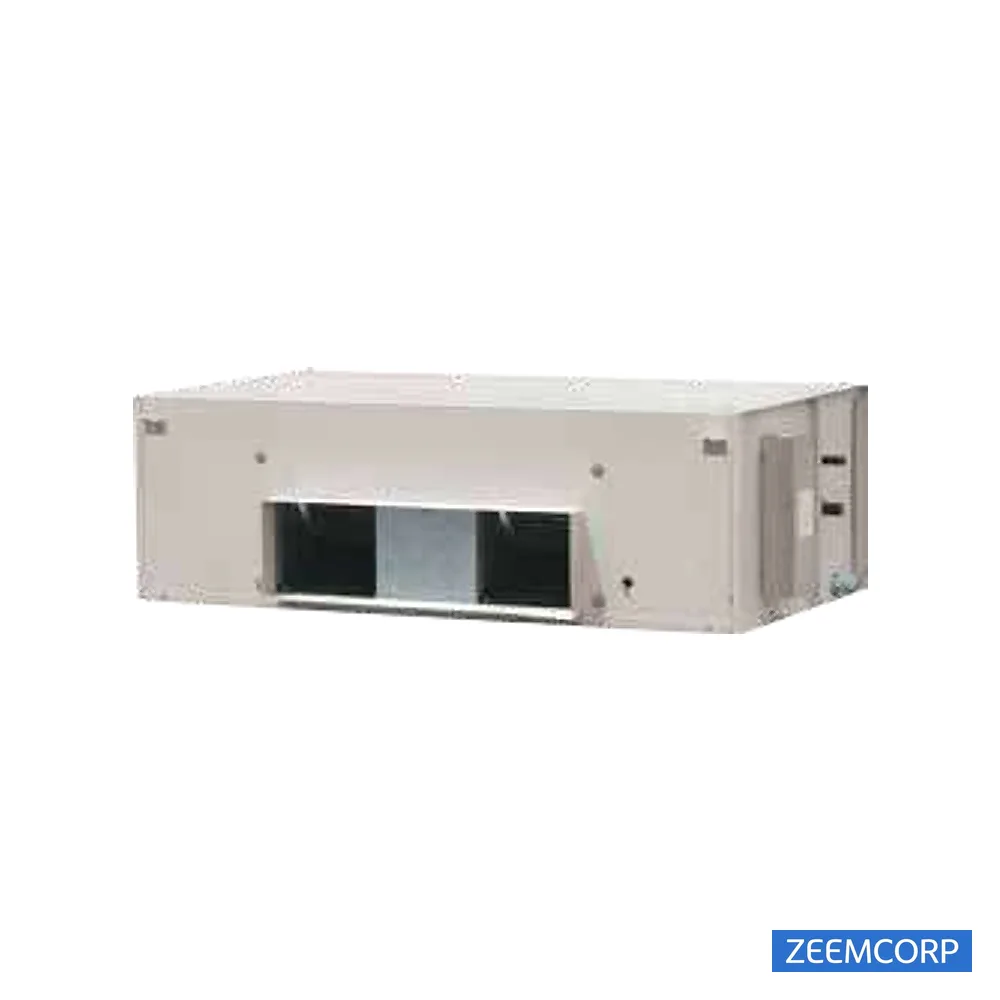
What is VRV?
VRV stands for Variable Refrigerant Volume, a system Daikin introduced. One outdoor system serves many indoor units of different types, from wall units to cassettes and concealed units. Each room is controlled separately, and the system only delivers the cooling each room needs.
Split ACs vs VRV
| Individual split ACs | VRV system | |
|---|---|---|
| Upfront cost | Lower for a few rooms | Higher, but competitive at scale |
| Outdoor units | One per indoor unit | One system for many rooms |
| Roof and facade space | Many outdoor units | Far fewer outdoor units |
| Efficiency at part load | Depends on each unit | Strong, since load is shared |
| Central control | No | Yes, with scheduling |
| Best for | Homes and small offices | Office floors, hotels, hospitals, schools |
When each makes sense
- Up to roughly five or six rooms with simple needs: individual split ACs are usually the better value.
- A full office floor, hotel, clinic or building with many rooms: VRV usually wins on running cost, space and control.
- Large open spaces such as halls, malls and factories: consider ducted splits or rooftop packaged units.
How VRV pricing works
There is no fixed VRV price. It depends on the building's cooling load, the number and type of indoor units, and the piping. We prepare a design and quote from your floor plan, so you compare real numbers.
Frequently asked questions
What is the difference between VRV and VRF?
None in practice. VRV is Daikin's name for the technology; VRF (Variable Refrigerant Flow) is the general industry term.
Is VRV cheaper to run than split ACs?
In multi-room buildings, usually yes, because the system adjusts output to the combined load and runs efficiently when only some rooms need cooling.
How do I get a VRV price?
Share your floor plan or building details with us. We size the system and send a quote.